
The Sri Lanka College of Emergency Physicians (SLCEP) is committed to advancing gender equity and equality as a fundamental component of safe, ethical, and high-quality emergency care. Recognising that the wellbeing of healthcare workers is intrinsically linked to patient safety and overall health system performance, SLCEP has established a clinician-led Gender Equity and Equality (GEE) initiative to promote inclusive, respectful, and professionally accountable workplace cultures.
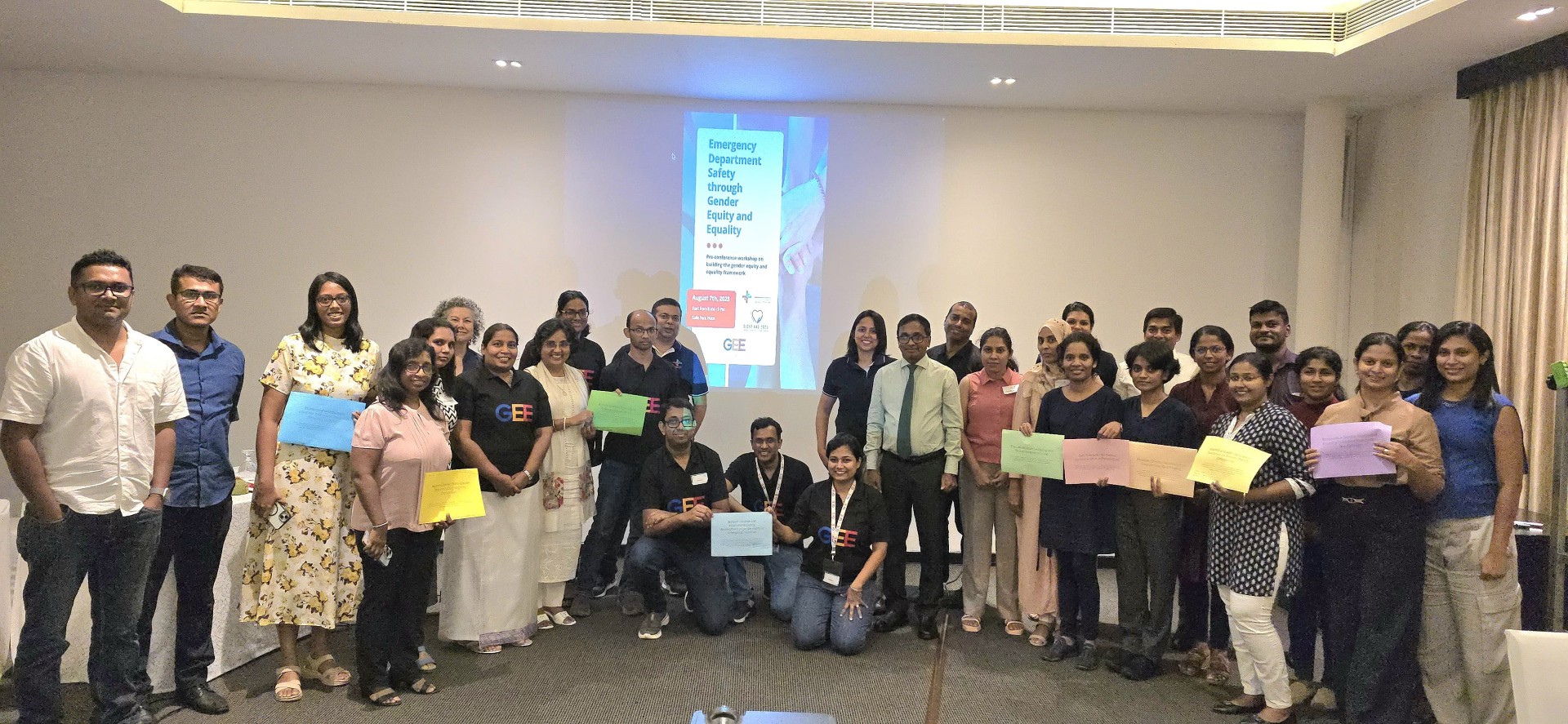
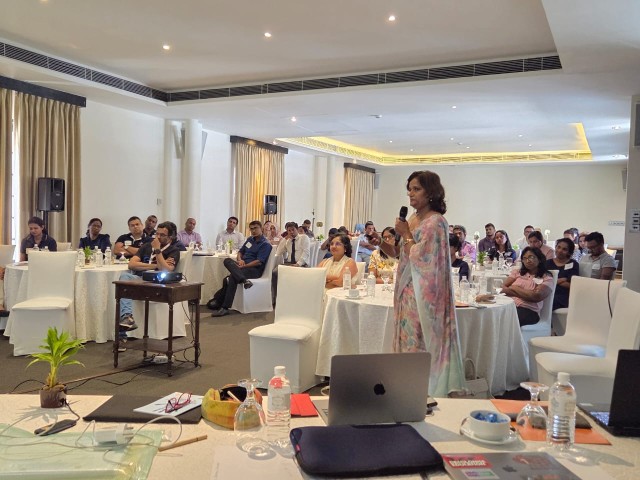
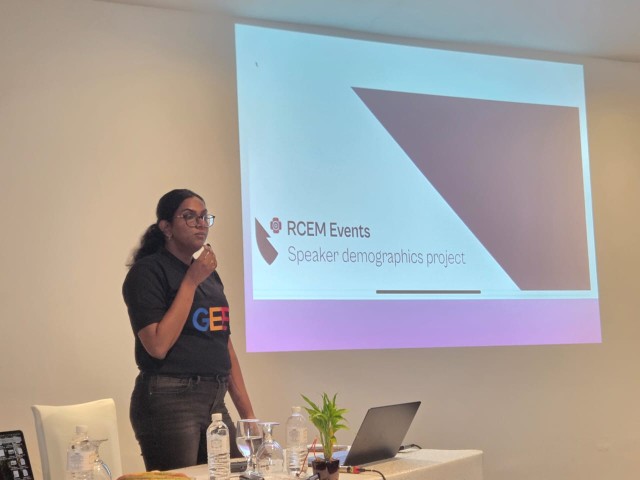
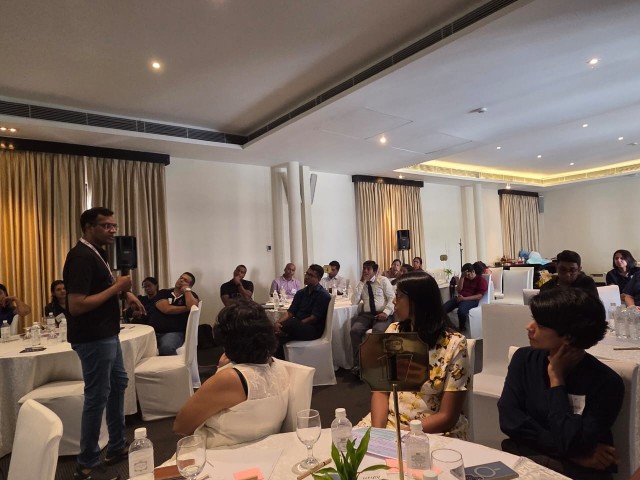
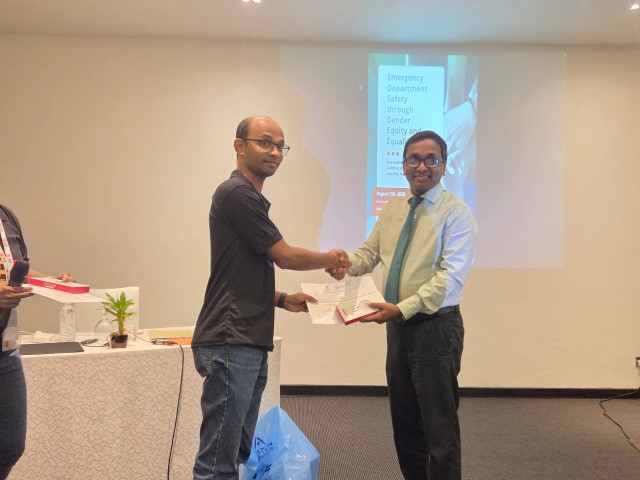
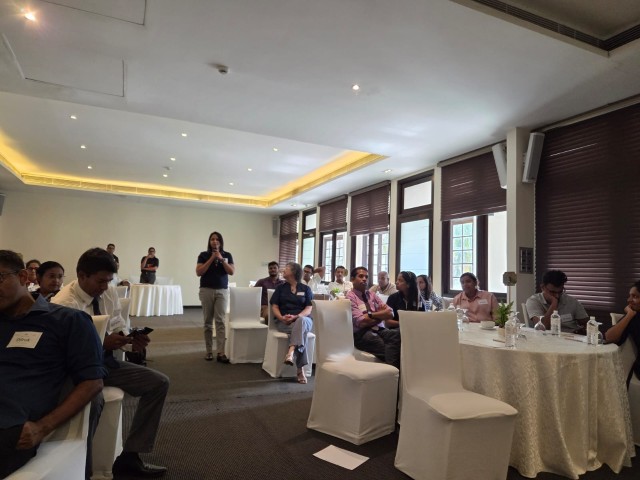
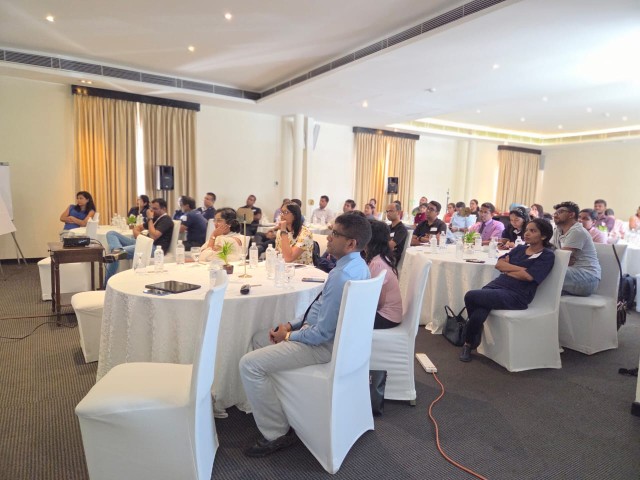
On 7 August 2025, SLCEP conducted a landmark national workshop titled “Emergency Department Safety through Gender Equity and Equality” at the Galle Face Hotel, Colombo. This was the first clinician-led, clinically focused gender equity and equality programme organised by a professional medical college in Sri Lanka.
The workshop was designed as both an educational activity and a strategic intervention to strengthen workplace safety, prevent future incidents of harm and misconduct, and foster a culture of dignity, respect, and inclusion within emergency care settings. It also addressed systemic vulnerabilities highlighted by recent events within the healthcare sector and reinforced SLCEP’s commitment to professional advocacy, workplace safety, and policy development.
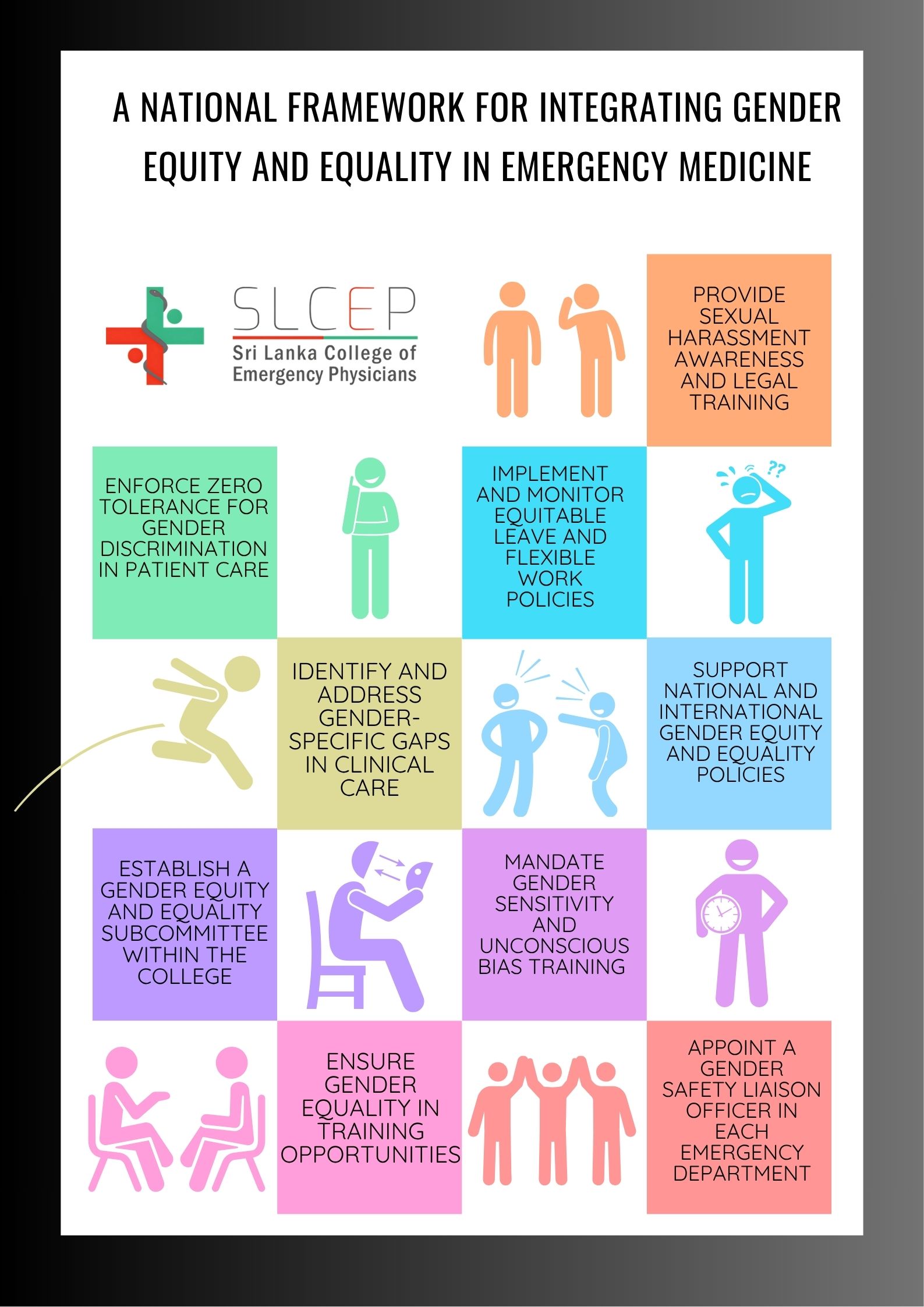
A key outcome of the workshop was the collaborative development of a 9-Point Gender Equity and Equality Framework tailored specifically for emergency departments in Sri Lanka. Developed through active participant engagement, the framework provides a practical foundation for future policy development, institutional implementation, and national advocacy. It combines international best practices with local realities to ensure meaningful and sustainable change.
The initiative aligns closely with international developments in emergency medicine. The workshop model was originally developed in India in 2018 by Dr Imron Subhan and Dr Priyadharshini Marathe. Following successful implementation across India, the programme was endorsed by the International Federation for Emergency Medicine (IFEM) and presented at the International Conference on Emergency Medicine in Amsterdam in 2022. SLCEP’s adaptation of this model represents an important step in bringing global expertise into the Sri Lankan context.
The workshop was led by Dr Kaushila Thilakasiri, supported by Dr Manavi Deshani, Dr Nilanka Mudithakumara, Dr Shivantha Hemachandra and Dr Harendra Hewapathirana. International faculty included Dr Imron Subhan, Dr Sue Ieraci and Dr Nilantha Lenora, with virtual contributions from Dr Priyadharshini Marathe and Dr Sree Sowjanya Patibandla.
National guidance was provided by Professor Anuruddhi Edirisinghe, Chair of the Sri Lanka Medical Association Women’s Committee and Professor of Forensic Medicine, together with Dr Dinusha Perera from the Family Health Bureau. Their contributions ensured alignment with national policies, legal frameworks, regulatory standards and gender-related health priorities.
A particularly notable achievement was the high level of inclusive participation. Approximately 50% of attendees were men, creating a balanced and representative environment for discussion. This broad engagement helped foster shared ownership of the issues and strengthened the overall impact and credibility of the initiative.
The active participation of both current and past SLCEP Presidents further demonstrated a strong institutional commitment to gender equity and workplace safety. Leadership engagement is essential for translating dialogue into action, strengthening accountability, and embedding equity principles into governance and clinical practice.
Looking ahead, SLCEP remains committed to building on this momentum through the establishment of a Gender Equity and Equality Subcommittee, integration of gender equity principles into clinical governance and training programmes, and continued collaboration with national and international partners including the World Health Organization, Sri Lanka Medical Association and International Labour Organization.
Gender equity and equality are central to the integrity, sustainability and effectiveness of emergency medicine. Through initiatives such as this, SLCEP continues to demonstrate leadership in creating safer, more inclusive healthcare environments that support both healthcare professionals and the patients they serve.
Workshop Gallery
Gender Equity and Equality Subcommittee
Chair
Dr Kaushila Thilakasiri
Members
Dr Manavi Deshani
Dr Nilanka Mudithakumara
Dr Harendra Hewapathirana
Dr Shivantha Hemachandra
International External Advisor
Dr Imron Subhan